
Cement nails, also known as masonry nails, are essential for securing materials to concrete, brick, or stone. Whether you're working on outdoor projects or heavy-duty construction, choosing the right type and size of cement nails is crucial for durability and performance. In this guide, we'll cover galvanized cement nails for outdoor use, how to use cement nails without cracking concrete, and cement nail sizes for different applications.
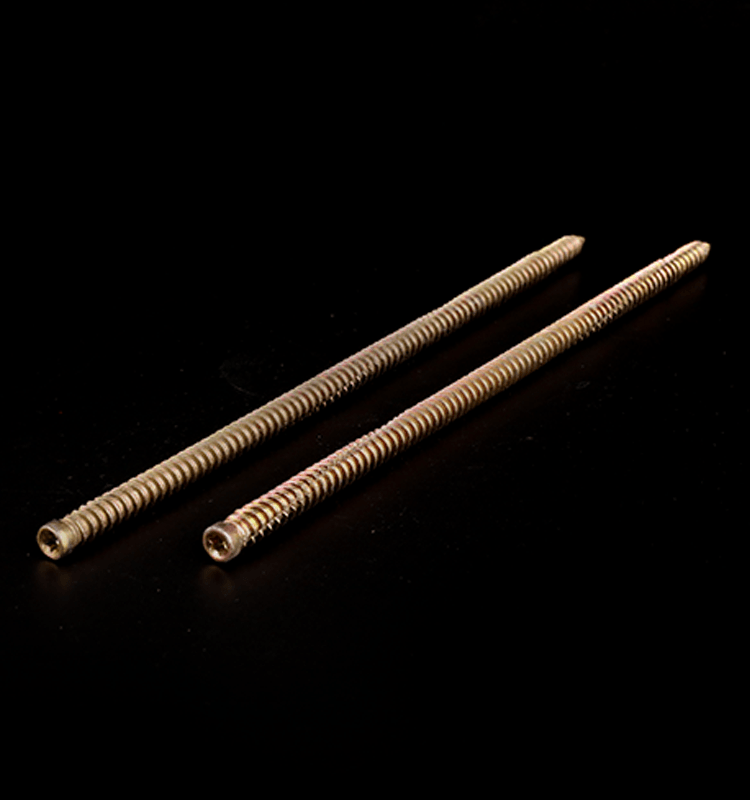
Plum blossom cylindrical head cement nail
1. Galvanized Cement Nails for Outdoor Use
Why Choose Galvanized Cement Nails?
Galvanized cement nails are coated with zinc to prevent rust and corrosion, making them ideal for outdoor applications like:
Fencing
Decking
Roofing
Siding
Benefits:
Weather-resistant – Withstands rain, snow, and humidity.
Long-lasting – Zinc coating extends lifespan compared to untreated nails.
Stronger grip – Designed to hold firmly in masonry materials.
For maximum durability, always opt for hot-dipped galvanized nails rather than electroplated ones, as they offer better corrosion protection.
2. How to Use Cement Nails Without Cracking Concrete
A common issue when driving cement nails into concrete is cracking. Here's how to avoid it:
Step-by-Step Guide:
Pre-drill a Pilot Hole – Use a masonry bit slightly smaller than the nail diameter.
Choose the Right Hammer – A heavy-duty hammer (20 oz or more) ensures proper force.
Drive Nails at the Right Angle – Insert nails straight in; angled strikes can cause fractures.
Avoid Overdriving – Stop hammering once the nail is flush with the surface.
Use Nail Anchors for Heavy Loads – For extra support, consider plastic or metal anchors.
Pro Tip: If working with brittle concrete, use masonry screws instead for a more secure hold.
3. Cement Nail Sizes for Different Applications
Selecting the correct nail size ensures stability and prevents material damage.
| Nail Size (Length x Diameter) | Best Applications |
|---|---|
| 1-inch (25mm) x 0.1-inch (2.5mm) | Light-duty tasks (thin wood to brick) |
| 2-inch (50mm) x 0.15-inch (4mm) | Fencing, drywall anchoring |
| 3-inch (75mm) x 0.2-inch (5mm) | Decking, heavy timber framing |
| 4-inch (100mm) x 0.25-inch (6mm) | Structural work, concrete formwork |
Key Considerations:
Thicker nails provide better holding power but require pre-drilling.
Shorter nails are ideal for thin materials to avoid protrusion.