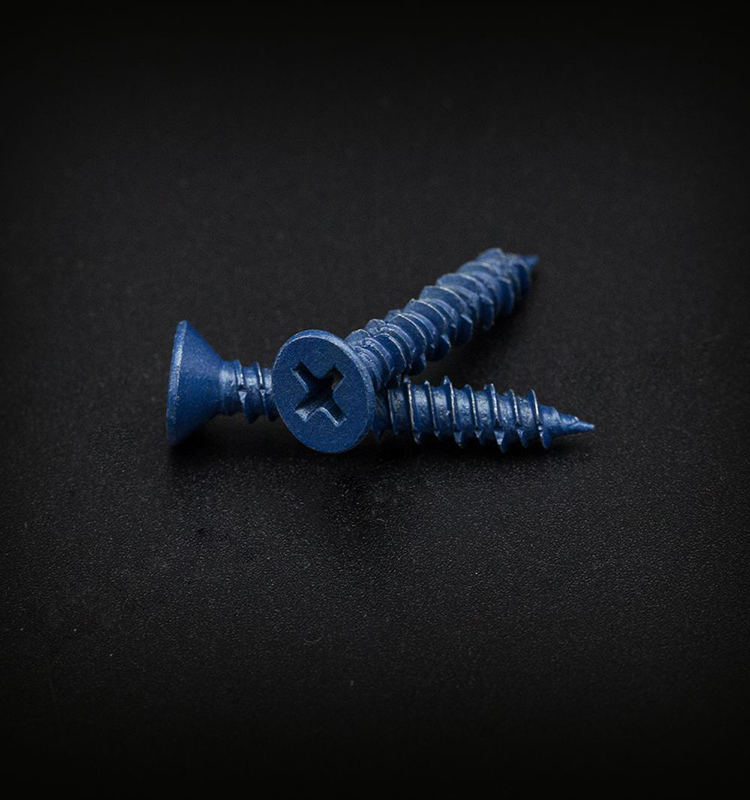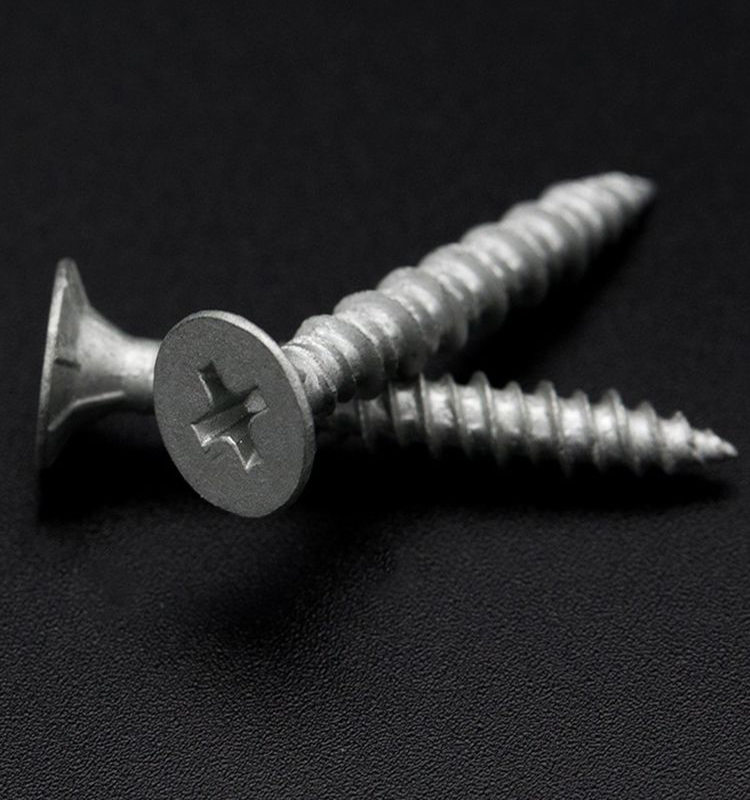
Article Directory
- 1 Slotted, Phillips, Pozidriv, Hex Socket, and Torx: The Five Drives That Matter
- 2 Why Recess Geometry Sets the Real Torque Limit
- 3 Matching the Drive to the Assembly Environment
- 4 Procurement Factors: Standards, Tooling, and Custom Recesses
- 5 Sourcing Machine Screws Without Rework Loops
- 6 Frequently Asked Questions About Machine Screw Drive Types
The first machine screw drive types to master are the five profiles that dominate industrial specifications: slotted, Phillips, Pozidriv, hex socket, and Torx. Each transfers torque differently, wears differently, and behaves differently on automated lines, and choosing the wrong one shows up as stripped heads, slipped bits, rework, and lost cycle time.
The decision locks in bit inventory, operator training, automation tooling, and inspection gauges for years. The five profiles below apply across machine screw, bolt, and self-tapping lines, and manufacturers such as Zhejiang Donghe Machinery Technology Co., Ltd. produce standard and custom drive recesses on the same production floor.
Slotted, Phillips, Pozidriv, Hex Socket, and Torx: The Five Drives That Matter
Machine screw drive types fall into five profiles that cover nearly every industrial specification, and each profile has a defined torque behavior, tooling base, and automation profile.
A machine screw is defined by its thread, but its drive recess decides how much of the screw's rated strength can actually be used. A recess that slips at 60 percent of the rated proof load turns a high-grade fastener into a low-grade joint.
| Drive profile | Cam-out | Torque transfer | Tooling | Typical use |
| Slotted | High | Low | Universal | Terminal strips, legacy panels, decorative hardware |
| Phillips | Moderate by design | Medium | Universal | General machinery, electronics, light assembly |
| Pozidriv | Low | Medium-high | Widespread in Europe | DIN assemblies, European industrial products |
| Hex socket | Very low | High | Universal | Removable high-torque machine screw joints |
| Torx | Minimal | Highest | Widespread and growing | Automotive, electronics, vibration-prone assemblies |
Hex socket recesses are the practical default for machine screws that must be removed and retorqued in service. A cup-head socket machine screw keeps the same high-torque recess in a low-profile head for enclosed mechanisms.
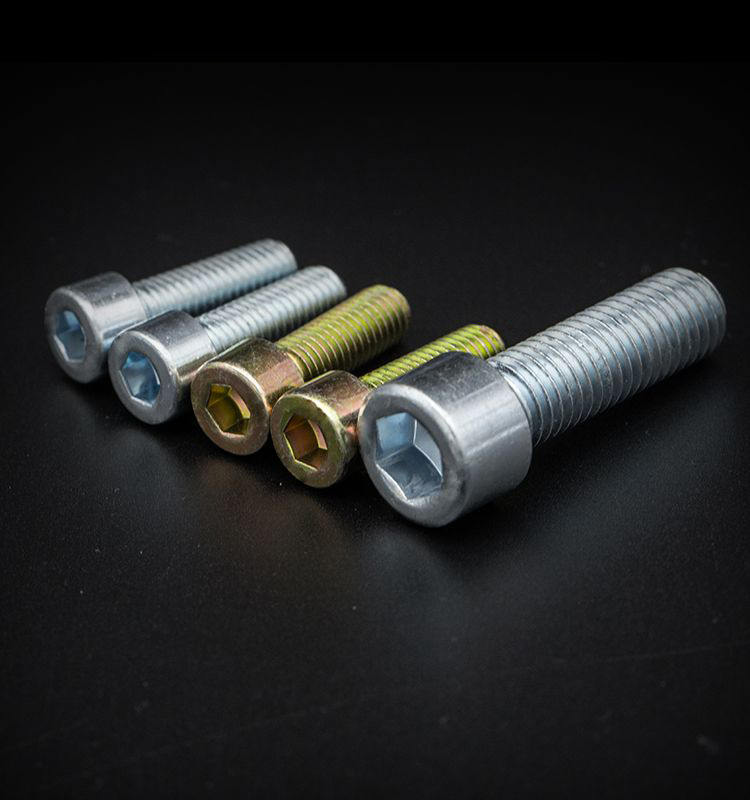 Cup Head Hexagon Socket Machine Screw for Low-Profile JointsThis low-profile cup head screw retains a hex socket drive for secure high-torque engagement, making it a practical choice when flush mounting and reliable removal in enclosed mechanisms are required.View Product →
Why Recess Geometry Sets the Real Torque Limit
Torque transfer depends on the contact area and driving angle between the bit flanks and the recess walls, not on the tensile grade of the fastener material.
Phillips recesses were designed to cam out on purpose; the angled walls push the bit upward so the driver disengages before the screw or the workpiece is damaged. That makes Phillips forgiving for handheld work but it limits repeatable torque. Torx recesses use nearly straight vertical walls, so cam-out is almost eliminated and the bit can transfer torque at a shallower insertion depth. Hex socket recesses sit between the two: six vertical driving surfaces transmit high torque, but the socket must be fully engaged or the corners round off. The same logic explains why slotted drives survive only in low-torque legacy applications; a single contact line has no geometric way to hold the bit centered.
Bit wear changes the torque limit. A Phillips bit with more than 0.1 mm of flank wear can reduce usable seating torque by roughly 30 percent before cam-out, which is why drive type selection must include a bit inspection and replacement schedule.
Hexagon socket head machine screws are the reference point for high-torque machine screw joints because the recess engages six full driving surfaces with a bit that is available in every tool room.
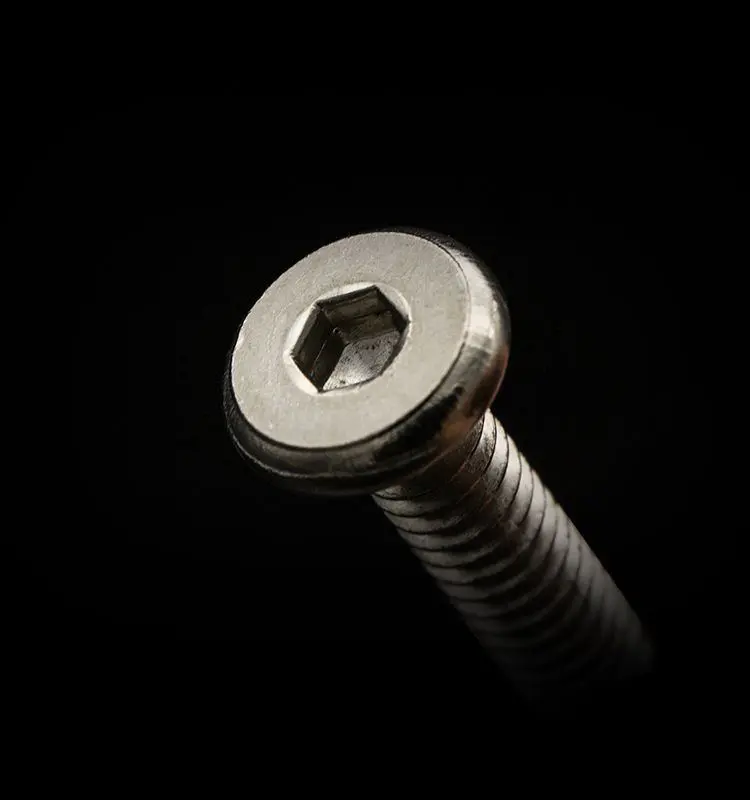 Hexagon Socket Machine Screw for High-Torque Precision FasteningWith six full driving surfaces and broad tool availability, this hex socket screw delivers strong torque transmission and fits confined spaces, supporting reliable clamping and vibration resistance in industrial assemblies.View Product →
Matching the Drive to the Assembly Environment
Selection starts with three variables the design team controls: the torque window the joint requires, the tool access available on the line, and whether the screw will ever come out again.
Use this decision order in a fastener review:
- High clamping torque with planned removal: hex socket or Torx machine screws, because both resist cam-out during retorque cycles.
- Controlled torque in high-volume manual assembly: Phillips with a clutch-limited driver, using cam-out as a built-in torque stop.
- Vibration-prone enclosures and electronics: Torx, whose deeper engagement resists bit jump and maintains preload in service.
- Security-sensitive or public equipment: Torx with a pin-in center, or a custom recess profile that blocks standard bits.
- Automated feeding and robotic driving: hex socket and Torx, because both allow axial bit seating without angular orientation of a cross recess.
Hex socket strengths
Six contact surfaces share the load, and the geometry is familiar to every maintenance shop. The limitation appears in dirty environments, where the socket cavity can pack with debris or thick coatings and the wrench must seat fully to avoid corner rounding.
Torx strengths
Straight vertical flanks tolerate light debris and accept shallow bit insertion while still transferring torque. The trade-off is tooling changeover in plants standardized on Allen keys, and a larger bit inventory during transition.
For cross-recess machine screws in controlled-torque assembly, the triangular-tooth pan-head design improves driver engagement over conventional Phillips profiles while keeping the familiar cross tooling on the line.
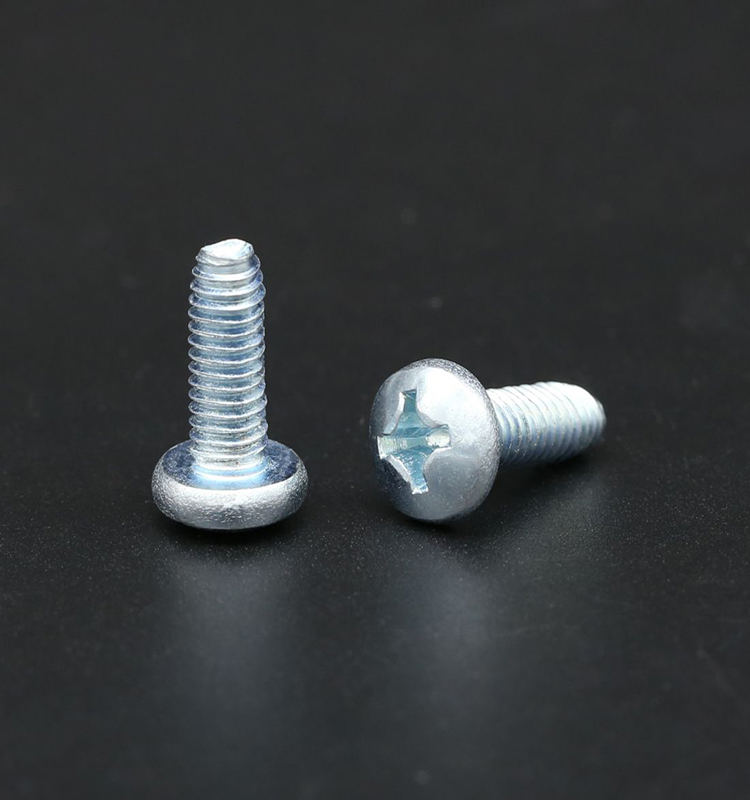 Phillips Pan Head Triangular Thread Machine ScrewThis self-tapping screw combines a pan head and Phillips drive with a triangular thread profile for enhanced locking, making it well-suited for controlled-torque assembly where secure, vibration-resistant fastening is key.View Product →
Procurement Factors: Standards, Tooling, and Custom Recesses
When machine screws are bought in hundred-thousand-piece lots, drive type becomes a traceable specification with gauges, tolerances, and tooling compatibility, not a preference.
The classic failure is confusing Phillips with Pozidriv. The two recesses look similar at arm's length, but a Pozidriv profile has four extra radial ribs, and a Phillips bit will slip and damage it. Purchasing teams should require a recess gauge check against ISO 4757 for cross recesses and ASME B18.6.3 for machine screw dimensions before approving a batch.
Coating thickness changes the fit. A thick hot-dip galvanizing layer reduces the effective recess width, so a nominal M4 hex socket screw may need an oversized socket specification or a drive-through-plating tolerance review. Suppliers that run GB, DIN, ANSI, and BS lines can adjust the recess dimension on request without changing the thread or material.
Custom recesses also support security and orientation goals. A proprietary drive profile prevents tampering on public equipment, and a non-standard recess in a threaded part can be produced in the same factory that makes standard machine screws, with the same material certificate.
For fastener families that need hex-head compatibility with existing wrenches, review the practical guidance on choosing hex head machine screws for industrial fastening before locking the specification.
Sourcing Machine Screws Without Rework Loops
Sourcing starts with a recess audit: verify the actual driver bits, measure the recess against a standard gauge, and approve the torque window before committing to a large batch.
Run this sequence before approving any machine screw supplier:
- Define the torque window. Record the minimum clamping torque for the joint and the maximum strip torque of the smallest screw in the batch; the drive must survive the entire window.
- Verify recess geometry. Use a recess gauge and an optical comparator on first articles, and measure head hardness, because a soft recess deforms before rated torque is reached.
- Confirm the tooling ecosystem. Collect the bit brands, driver types, and wear limits used on the line, and require the supplier to seat a sample bit from that exact set.
- Require first-article data. Ask for a certificate with recess dimensions, hardness, coating thickness, and a signed gauge result before mass production starts.
Frequently Asked Questions About Machine Screw Drive Types
The four questions below cover the drive decisions that come up most often in machine screw sourcing.
What is the most common machine screw drive type in industrial fastening?
Phillips remains the most common in general assembly, while hex socket is the standard for removable high-torque machine screw joints and Torx is the fastest-growing profile in automotive and electronic assemblies.
Can a Phillips bit drive a Pozidriv machine screw?
No. A Pozidriv recess has four extra radial ribs, and a Phillips bit will slip out and round the recess walls. Use Pozidriv bits, and store the two families separately in tool cribs.
Why choose hex socket over external hex for machine screws?
Hex socket machine screws keep the head envelope smaller and allow tool access in recessed or crowded positions. External hex heads tolerate higher wrench torque and suit heavily preloaded joints where a wrench can reach them.
How does drive type affect automated assembly?
Hex socket and Torx recesses seat more predictably under robotic drivers because engagement is axial and does not require angular alignment, which reduces missed drives, bit wear, and false torque readings in high-cycle cells.