Article Directory
- 1 Machine Screws in Bulk: The Five Specifications That Determine Fit
- 2 Specification Table: What a B2B Buyer Should Request in Writing
- 3 Material Selection: Data Behind Bulk Machine Screw Choices
- 4 Thread Standards and Dimensional Tolerances for Global Sourcing
- 5 Quality Control: What to Demand Before and After Shipment
- 6 Pricing, Lead Time, and Supply Risk in Bulk Machine Screw Orders
- 7 Frequently Asked Questions
A purchasing manager at a German packaging machinery manufacturer compared two quotes for 50,000 M4 stainless steel machine screws. The cheaper quote specified ISO 7045 pan head screws with a standard free-cutting tolerance. The more expensive quote included a documented dimensional report and material traceability certificate. The first shipment failed incoming inspection on thread pitch and drive recess depth, costing the buyer two weeks of assembly downtime. Machine screw bulk purchasing is a specification exercise, not a price comparison.
Machine Screws in Bulk: The Five Specifications That Determine Fit
The first decision a B2B buyer must make is thread pitch, because that single variable determines whether a machine screw can engage its mating hole without cross-threading. In bulk orders, the specification sheet should list pitch and diameter first, then head style, drive recess, material, and finish. A clearance mismatch is discovered only when the first pallet reaches the assembly line.
A machine screw is a fully threaded fastener with a uniform shank that threads into a pre-tapped hole or a nut. It has no self-drilling or self-tapping function; the mating thread must already exist.
- Thread pitch and diameter: M1.6 to M12 metric ranges cover most industrial assemblies.
- Head style: countersunk, pan, hex socket, button, and fillister heads determine clearance and torque application.
- Drive recess: Phillips, hex socket, Torx, and slotted drives affect stripping risk and production-line tooling.
- Material and mechanical grade: carbon steel, stainless 302/304/316, brass, and titanium offer different strength and corrosion behavior.
- Surface finish: zinc plate, hot-dip galvanized, plain, and passive finishes control rust resistance and thread engagement friction.
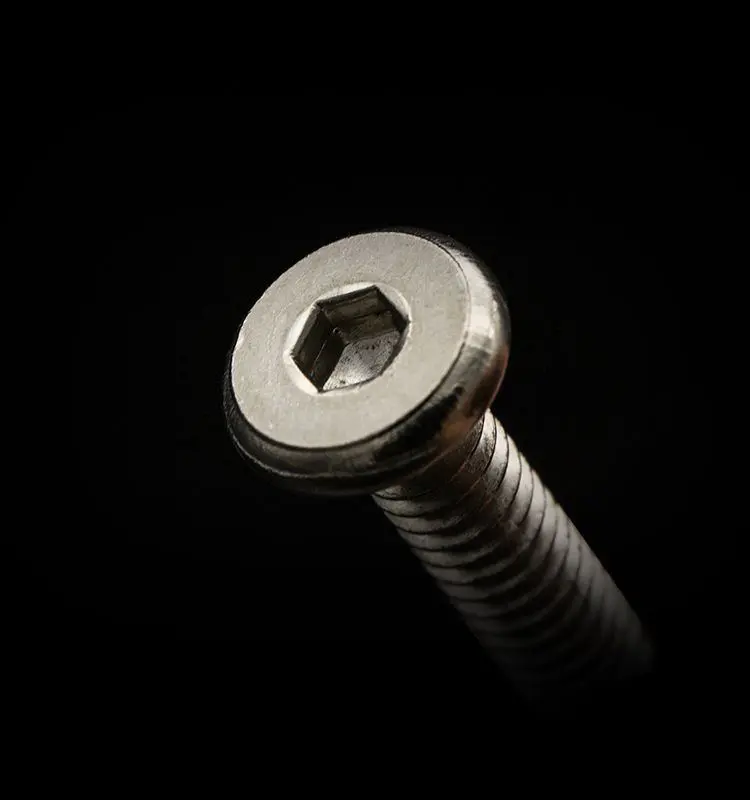 Hex socket machine screws for high-torque, flush-mount fasteningThese hex socket machine screws install flush in confined spaces while delivering strong clamping force. Their internal hex drive resists stripping, making them suitable for precise, vibration-resistant assemblies where the mating thread already exists.View Product →
Specification Table: What a B2B Buyer Should Request in Writing
A written specification table prevents supplier interpretation errors and gives both parties a clear acceptance standard. The table below covers the parameters that drive the highest rejection rates in bulk machine screw orders.
| Parameter | What It Controls | Bulk Purchase Risk If Unspecified |
| Thread pitch | Fit and cross-threading | Wrong pitch causes thread damage and assembly jams |
| Head style | Countersink depth, tooling setup | Incorrect head requires new drive tooling |
| Drive recess | Torque transfer, stripping | Shallow recess increases cam-out and field failures |
| Material grade | Strength, corrosion resistance | Grade mix-ups lead to premature rust |
| Surface finish | Corrosion protection, thread friction | Underspecified coating fails salt spray testing |
Material Selection: Data Behind Bulk Machine Screw Choices
Material selection is the largest driver of both unit cost and long-term performance in bulk machine screw orders. A stainless steel M4 screw costs roughly 1.5 times more than the same screw in zinc-plated carbon steel when ordered in volume, but it eliminates zinc plating maintenance over the product lifecycle. The data below compares the four material families most often used for M4 machine screws in industrial assemblies.
For indoor assemblies, zinc-plated carbon steel meets roughly 90% of industrial requirements at the lowest unit cost. For outdoor, coastal, or chemically aggressive environments, move directly to 304 or 316 stainless. The incremental cost per screw is insignificant compared to the downtime of a failed fastener.
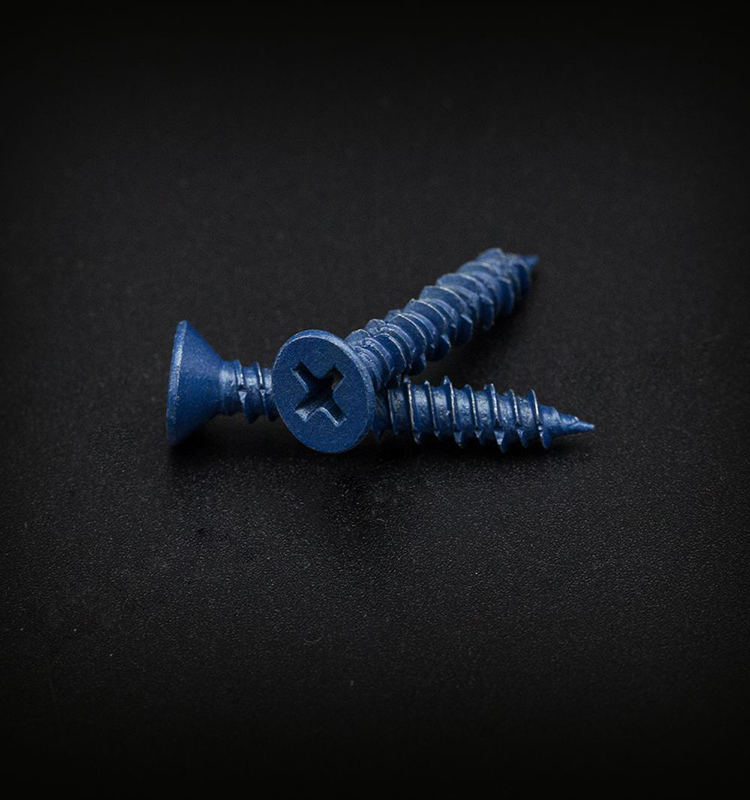
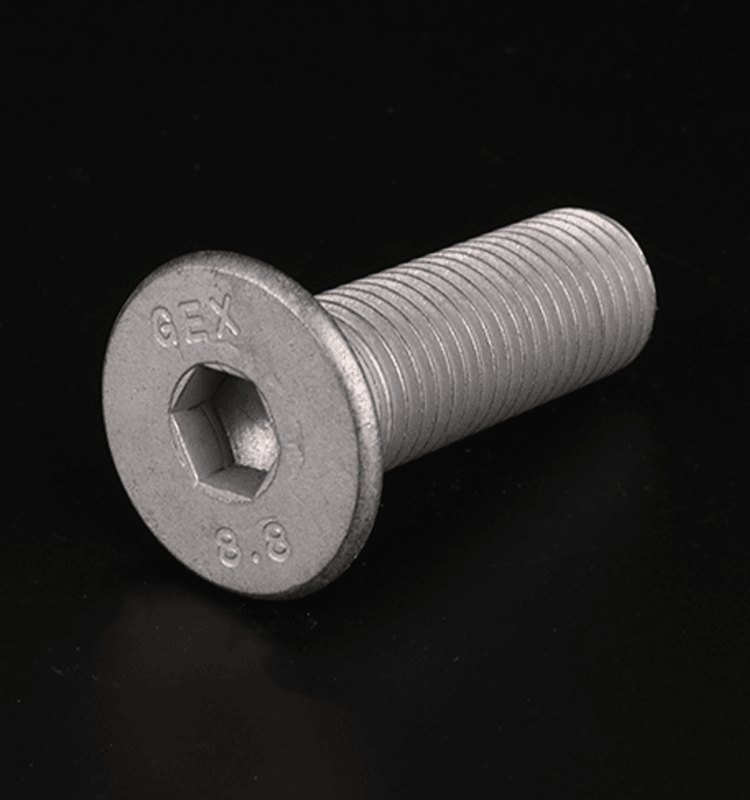
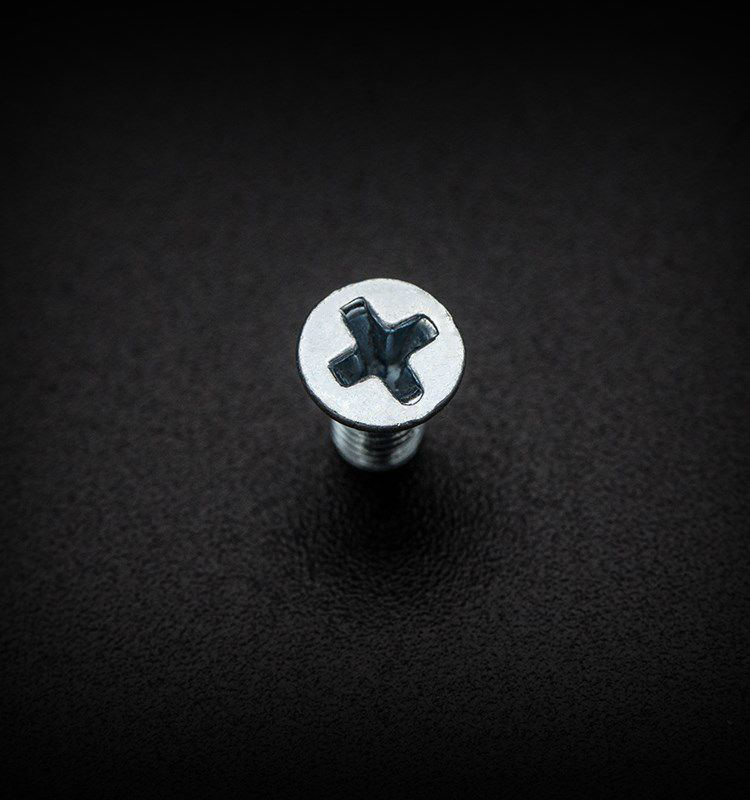 Countersunk machine screws for smooth, flush surface finishesThese countersunk machine screws offer a conical head that sits flush, ideal for applications requiring a smooth aesthetic. They provide secure fastening when used with pre-tapped holes or nuts, and come in corrosion-resistant finishes for various environments.View Product →
Thread Standards and Dimensional Tolerances for Global Sourcing
International standards determine whether your machine screw fits its intended mating hole, and the tolerance class you specify affects both assembly reliability and total purchased cost. Buyers sourcing from China, Europe, or North America should confirm which standard their product line was designed around.
| Standard | Thread System | Common Range | Tolerance Class |
| DIN / ISO metric | Metric coarse and fine | M1.6 to M12 | ISO 965-1 class 6g |
| ANSI B18.6.3 | UNC and UNF | #0 to 1/2 in | Class 2A |
| GB standard | Metric | Equivalent to DIN | ISO 965 |
When a product line was engineered on DIN 7985, switching to ISO 7045 without checking head and thread geometry can create fit issues. A detailed guide to machine screw types, sizes, and applications helps buyers map these interdependencies before placing a bulk order.
Quality Control: What to Demand Before and After Shipment
Material traceability, thread gauging, and dimensional inspection are the three controls that catch the majority of bulk machine screw defects. Zhejiang Donghe Machinery Technology Co., Ltd., a fastener manufacturer exporting to Europe, Australia, Africa, and the United States, maintains a dedicated quality laboratory for these checks.
- Material traceability certificate (MTC) matching the heat number on the packing label.
- Go/No-Go thread gauges for pitch verification on every lot before release.
- Neutral salt spray testing per ASTM B117 for confirming finish performance, typically 20 hours minimum for marine-grade 316.
- Hardness testing per ASTM E18 or ISO 6508 to verify mechanical grade.
- Dimensional reports per ISO 3269 for sampling and statistical process validation.
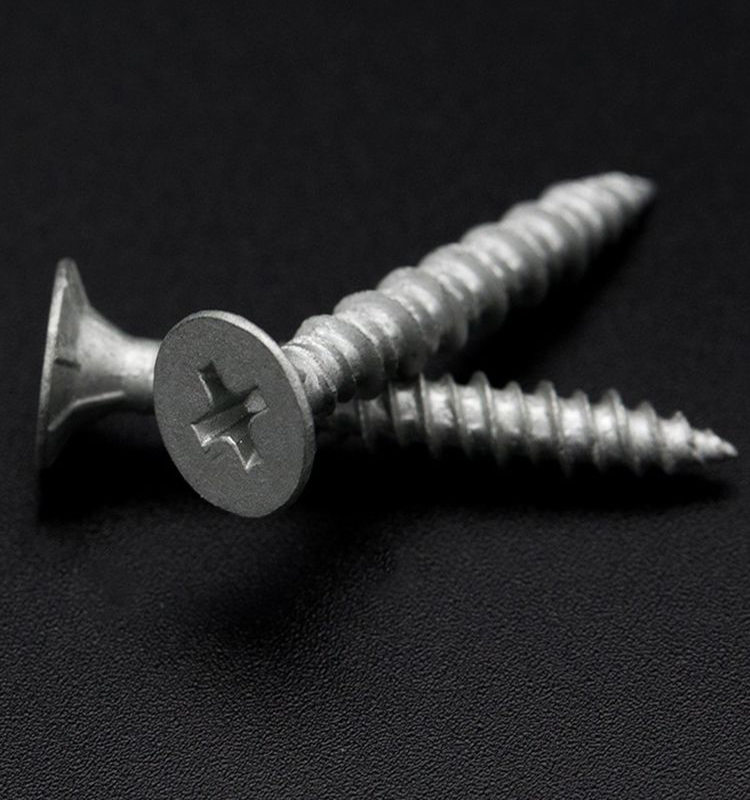
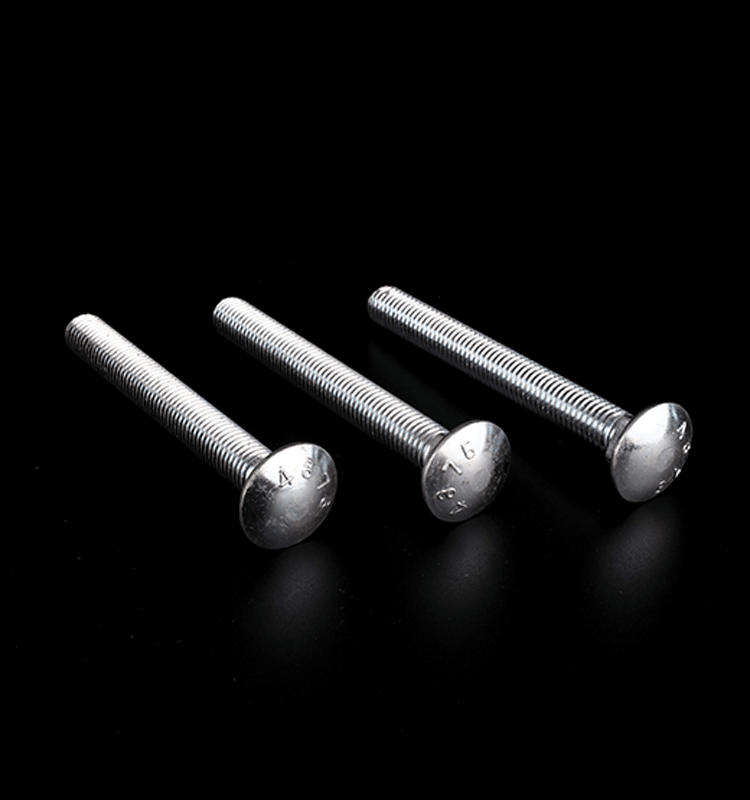
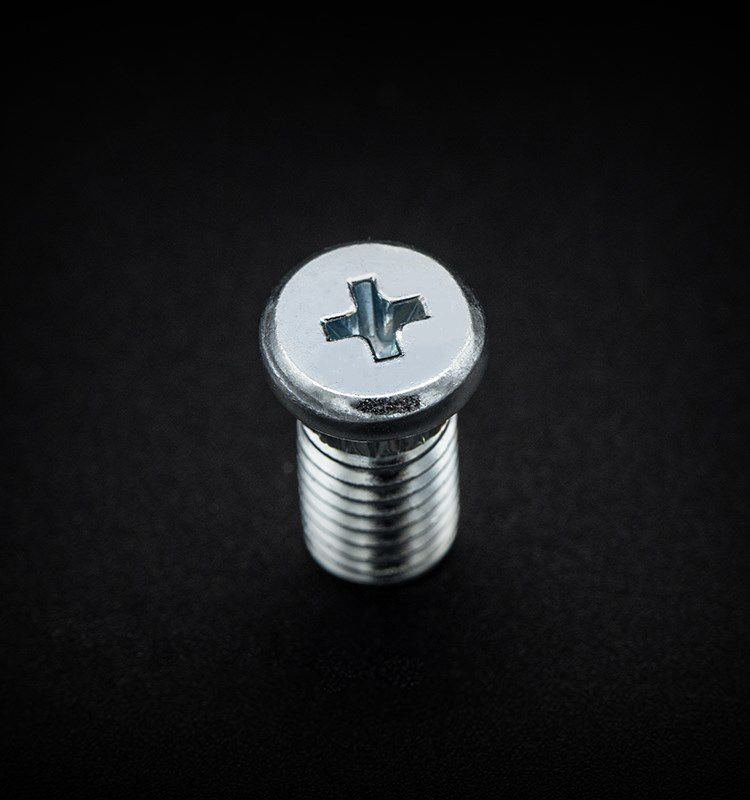 Phillips knurled machine screws for vibration-resistant gripWith a knurled shank that resists loosening from vibration, these Phillips-drive machine screws combine common tool compatibility with enhanced holding power. Available in multiple materials, they suit metal-to-metal joints needing reliable grip under dynamic loads.View Product →
Buyers should also understand how strength grades and preload capacity affect performance in assembled joints. Grade 8.8 carbon steel behaves differently from A2-70 stainless under the same torque, and that difference shows up in the quality control data.
Pricing, Lead Time, and Supply Risk in Bulk Machine Screw Orders
Unit price is only one variable in the total landed cost of bulk machine screws. MOQ thresholds, standard lead times, freight weight, and material surcharges change the economics dramatically.
- MOQ: typical bulk machine screw orders start at 10,000 to 50,000 pieces per size, and custom head styles push the MOQ higher.
- Lead time: standard carbon steel items ship in 15 to 30 days; stainless steel and special finishes take 30 to 45 days.
- Freight weight: a 20-foot container holds roughly 20 tons of machine screws, so freight cost per piece can be significant for small-lot imports.
- Material surcharges: steel and nickel prices pass through to screw pricing within about 30 days, so locking a price window matters.
Frequently Asked Questions
What thread pitch should I specify for M4 machine screws in bulk?
M4 coarse pitch is 0.7 mm per ISO 965-1. If your assembly requires fine adjustment, M4 x 0.5 is the fine-pitch alternative, but it raises tap costs and increases the risk of thread damage during installation.
What is the difference between DIN 7985 and ISO 7045 machine screws?
Both describe pan head cross-recessed machine screws. DIN 7985 and ISO 7045 differ slightly in head dimensions and thread tolerances. Confirm the original standard before converting a product line to ISO.
What surface finish is required for outdoor industrial machine screws?
Hot-dip galvanized or 304/316 stainless steel is required for outdoor exposure. For coastal or marine environments, specify 316 with a minimum of 20 hours of neutral salt spray testing per ASTM B117.
How do I verify a bulk machine screw lot meets its material spec?
Request an MTC from the supplier, match the heat number to the certificate, and run positive material identification on a sample from each lot before release to production.