Article Directory
A cable-tray support anchored with a 5/16-inch wedge anchor came loose after three weeks of production-line vibration in a food-processing plant. The stud had been torqued to its rated value, but the drilled hole was 1.6 mm oversize, so the expansion clip never made full bearing contact with the concrete. Re-torquing held the tray in place for a day; a load test later showed roughly 30 percent less pullout resistance than the anchor's published rating.
Machine screw anchors are the threaded fasteners most often used to mount equipment, machine tables, and guides to concrete and masonry bases. Unlike a standard machine screw, which needs a tapped hole or a mating nut, an anchor develops its own grip inside the base material. That grip, not the steel of the screw itself, sets the real load limit of the installation.
This guide covers the anchor families, hole preparation, torque and preload behavior, corrosion protection, and the installation faults that cause most field failures.
What Counts as a Machine Screw Anchor
Machine screw anchors transfer load mechanically through thread bearing or expansion against the base material; they do not rely on adhesive bonding.
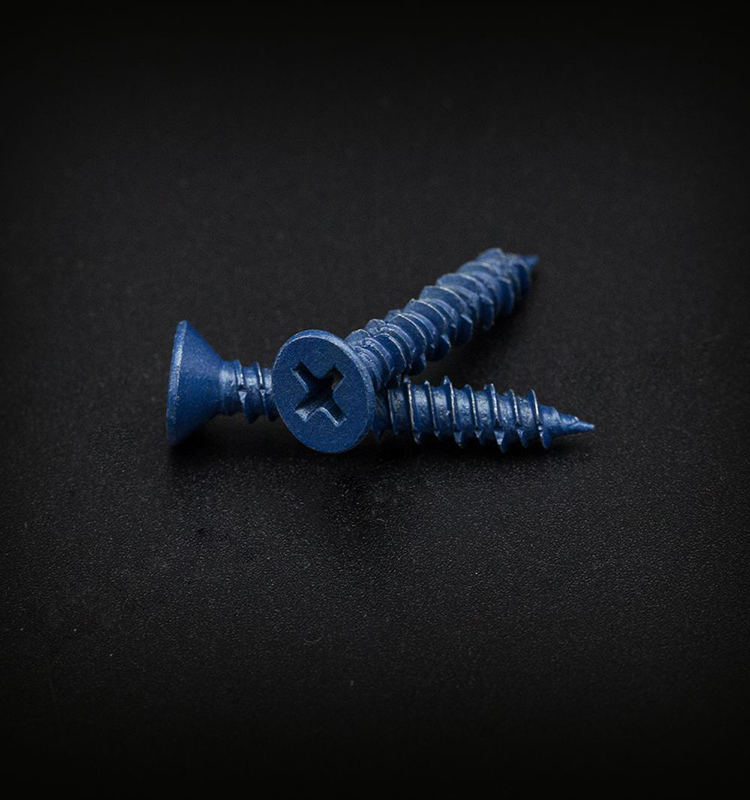
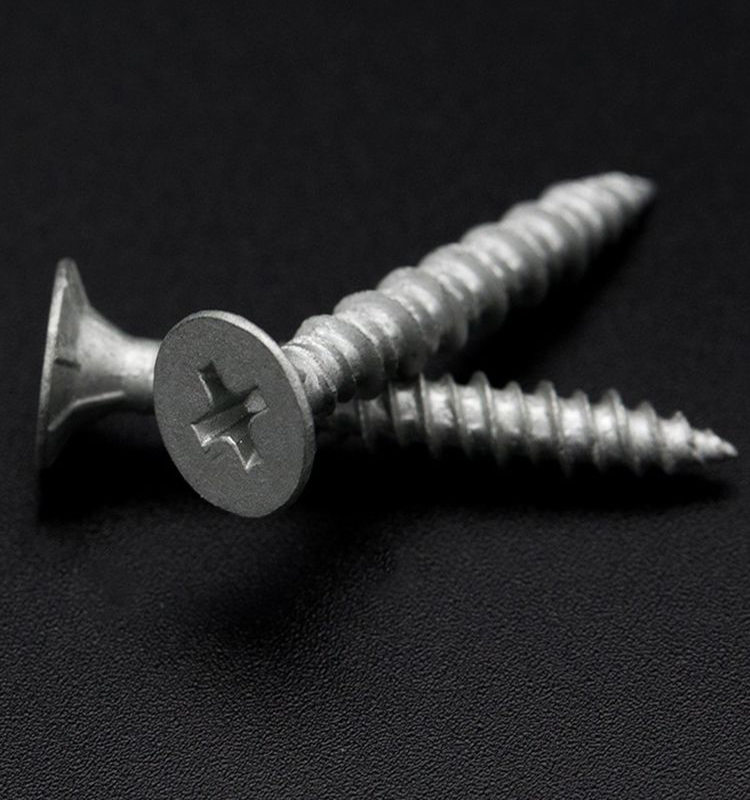
The category covers four mechanical families. Wedge anchors use a tapered clip that expands against the hole wall as the nut is torqued. Sleeve anchors expand a thin cylindrical sleeve over most of the embedded length. Drop-in anchors sit flush with the surface and accept a separate machine bolt. Concrete screws cut threads directly into the concrete without any expansion clip.
Each mechanism has its natural territory. Wedge anchors handle base plates and heavy equipment. Sleeve anchors suit racks, railings, and conveyor supports. Drop-in anchors work for overhead flush mounting. Concrete screws are the choice for railings, guards, and fixtures that may need to be relocated.
| Anchor type | Load mechanism | Typical use | Removal |
| Wedge anchor | Tapered clip expands against the hole wall | Base plates, presses, columns | Difficult, partial base damage |
| Sleeve anchor | Thin sleeve expands over the embedded length | Racks, railings, conveyors | Difficult |
| Drop-in anchor | Internal plug expands the sleeve | Overhead flush mounts | Bolt removable; body stays |
| Concrete screw | Threads cut directly into the concrete | Railings, guards, temporary fixtures | Simple; usually reusable |
 Concrete anchors for heavy-duty base plates and equipmentThis anchor line covers wedge, sleeve, and drop-in types suited to base plates, racks, and overhead mounts. Proper drill size is essential to maintain full expansion and rated capacity.View Product →
Hole Quality Controls Real-World Capacity
The drilled hole determines anchor capacity: an oversize hole reduces expansion force, and an undersize hole prevents the anchor from seating at full depth.
Drill with the exact bit size specified in the anchor approval. For a 3/8-inch wedge anchor, that means a 3/8-inch carbide bit; for a concrete screw, the bit is usually 1/16 inch smaller than the nominal screw diameter. The tolerance budget is tight. A hole 1.5 mm oversize can cut expansion-anchor pullout resistance by 20-35 percent.
- Hole depth: drill at least 10 mm deeper than the anchor embedment so debris cannot block seating.
- Cleaning: blow out dust and brush the hole at least twice; dusty holes reduce screw-anchor pullout resistance by up to 40 percent.
- Edge distance: respect the approved minimum, typically from 5 times the anchor diameter up to the full embedment depth.
- Spacing: keep anchors separated by at least 2 times the embedment depth to avoid overlapping stress cones.
Check prefabricated base plates before anchoring. If the fixture hole is oversized relative to the anchor body, the sleeve or clip may not get full contact with the plate surface, and the published capacity no longer applies.
 Concrete screws for removable and reusable fixturesThese screws drive directly without a separate setting step, making them ideal for guards and rails that may be relocated. Oversized fixture holes can reduce contact with the plate surface.View Product →
Load Path, Preload, and Torque
Preload created during torquing is what keeps a mechanical anchor tight under service load; without it, the connection unloads the expansion mechanism and loosens quickly.
When you torque a wedge anchor, the nut pulls the stud upward and expands the clip outward against the concrete. That expansion generates preload that clamps the fixture to the base. The assembly behaves like a bolted joint: the anchor stretches slightly and the concrete underneath is compressed. Preload, more than the steel grade by itself, controls fatigue performance.
Design the complete connection together. Match the anchor's rated tension with the fastener strength grades and preload capacity of the stud, the fixture, and the concrete. A high-strength anchor on a thin base plate still creates a flexible joint.
Expansion anchors
Preload is set with a torque wrench. Sensitive to hole cleanliness and oversize. High stiffness, preferred for static heavy loads. Difficult to remove without damaging the base.
Concrete screw anchors
Driven directly with no separate setting step. Less sensitive to residual dust. Removable and reusable. Best for guards, rails, and fixture positions that change.
 Zinc-plated expansion bolts for dry interior anchoringCarbon steel with zinc plating suits dry interior service, while hot-dip galvanized or stainless steel is required for moisture or outdoor exposure. Correct hole size ensures full seating.View Product →
Material and Coating Affect Service Life
Carbon steel with zinc plating covers dry interior service; hot-dip galvanized or stainless steel is required wherever moisture, chlorides, or outdoor exposure is present.
The anchor material must be selected for the corrosion environment, not just for the static load. A zinc-plated wedge anchor that carries its rated load in a laboratory test can fail within two years in a coastal plant if chlorides reach the thread root.
| Material or finish | Typical coating | Service environment | Corrosion resistance |
| Electroplated zinc | 5-8 micrometers | Dry interior, protected | Low |
| Hot-dip galvanized | 45-85 micrometers | Exterior, industrial | Moderate |
| 304 stainless steel | None | Wet, coastal, food processing | High |
| 316 stainless steel | None | Marine, chloride, chemical washdown | Very high |
When sourcing anchors, verify that material grade and coating thickness are traceable to the batch. A supplier that documents these properties across a machine screw anchor and fastener range, such as Zhejiang Donghe Machinery Technology Co., Ltd., reduces the risk of unnoticed material substitution during procurement.
Common Installation Failures to Avoid
Most machine screw anchor failures trace to hole preparation and torque control, not to the rated strength of the anchor itself.
These six faults account for the majority of field problems:
- Oversized drill holes, which leave the expansion clip without bearing contact.
- Shallow holes, which let the anchor bottom out before reaching full embedment.
- Dust left in the hole, which cuts thread bearing and friction.
- Excessive torque, which strips the anchor thread or crushes the concrete.
- Edge distance ignored, which allows concrete breakout in a cone.
- Mixed anchor types in one connection, which concentrates load on the least stiff units.
Frequently Asked Questions
Can a machine screw anchor be removed and reused?
Expansion anchors deform permanently during setting, so removal usually reduces pullout capacity below a safe value. Concrete screw anchors can be unthreaded and reused in low-duty, non-critical applications if the threads and cutting edges remain intact.
What is the minimum edge distance for a 3/8-inch expansion anchor in concrete?
For a typical wedge anchor in uncracked concrete, most approvals specify a minimum edge distance of about 60 mm and a minimum spacing of 150 mm. Lower values are acceptable only when a site-specific evaluation or an approval report allows them.
Do I need a torque wrench for every mechanical anchor?
For expansion anchors, yes: torque controls preload and therefore holding capacity. For concrete screw anchors, seating torque is less critical, but the set depth and the matching hole size still need to be verified on every anchor.
What is the difference between a machine screw anchor and a chemical anchor?
A machine screw anchor develops resistance through mechanical expansion or thread bearing. A chemical anchor develops resistance through adhesive bond along the thread envelope. The two have different installation checks, safety factors, and approved loading tests.