Article Directory
- 1 What Defines a Brass Pan Head Screw
- 2 Brass Grades Decide the Screw's Real Limits
- 3 Mechanical Performance: Strength, Torque, and Galling
- 4 Corrosion Behavior: Where Brass Wins and Loses
- 5 Finishes, Compliance, and Cross-Border Supply
- 6 Standards, Custom Work, and Procurement
- 7 Frequently Asked Questions
A marine electrical contractor replaced every zinc-plated steel screw in a control cabinet with brass pan head screws after one season of salt-laden air left the original fasteners etched and seized. Eighteen months later the brass heads were clean, but the same cabinet mounted on an aluminum frame showed galvanic corrosion around every joint. Brass is not a decorative version of steel. Its real performance depends on alloy grade, temper, finish, environment, and installation torque. This guide covers those five decisions in the order they cause failures.
What Defines a Brass Pan Head Screw
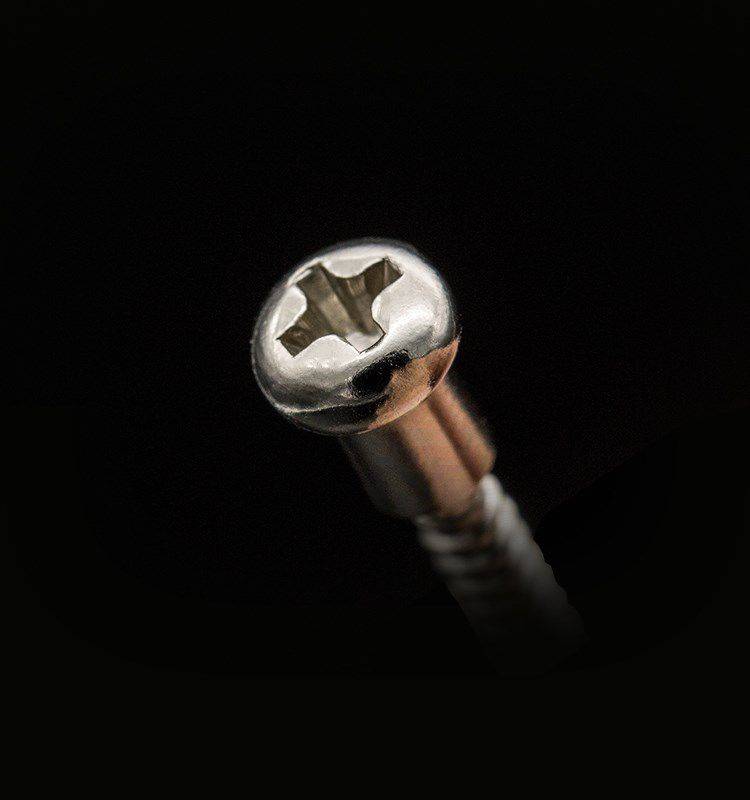
A brass pan head screw is a threaded fastener with a low-profile, slightly domed head and a flat underside, manufactured from a copper-zinc alloy instead of carbon steel.
The pan profile sits on top of the work surface, so clamping force transfers through the flat bearing area. This makes the design tolerant of thin sheet, polymer housings, and castings where countersinking would weaken the wall. Brass is specified for three measurable reasons: it produces no orange iron rust, it is non-magnetic and conductive enough for busbar and terminal work, and its warm tone matches copper trim without the cost of pure copper.
- Common diameter range: M2 to M10
- Common length range: 4 to 80 mm
- Metric standard: DIN 85 and ISO 1580
- Inch standard: ASME B18.6.3
Brass Grades Decide the Screw's Real Limits
A brass pan head screw is only as good as the alloy it is cold formed from; changing the zinc content shifts corrosion resistance, machinability, and strength more than any plating applied afterwards.
Most standard brass screws are produced from the free-cutting CZ121 family with 57-60 percent copper, 36-39 percent zinc, and 1.5-2.5 percent lead. When RoHS, drinking water, or children's product rules apply, lead content must drop below 0.3 percent, which is what CZ132 grade provides. For marine or external service, silicon brass with roughly 76 percent copper, 21 percent zinc, and 3 percent silicon resists dezincification and cold works to about 430 MPa tensile, the practical ceiling for brass fasteners.
| Grade | Copper | Zinc | Lead | Key characteristic |
| CZ121 / CW617N | 57-60% | 36-39% | 1.5-2.5% | Free machining, general industrial use |
| CZ132 low lead | 57-60% | 38-41% | under 0.3% | RoHS and water-contact duty |
| Silicon brass DZR | ~76% | ~21% | trace | Dezincification resistant, highest brass strength |
A purchasing specification should state the grade, not just the words "brass screws." Zhejiang Donghe Machinery Technology Co., Ltd., a fastener manufacturer founded in 2009, operates an ISO 9001 quality management system and maintains more than 8,000 tons of annual capacity, supplying these brass families with material certificates.
 Brass Fastener Set with Multiple Alloy OptionsThis brass fastener set includes bolts, nuts, washers, and threaded inserts in alloys like C36000, C46400, and C48500. Its tensile strength near low carbon steel makes grade specification essential for purchasing decisions.View Product →
Mechanical Performance: Strength, Torque, and Galling
Cold headed brass pan head screws operate near 380-430 MPa tensile strength, which places them close to low carbon steel and far below hardened steel fasteners.
Property class 8.8 steel resists 800 MPa tensile and 640 MPa yield; brass cannot be heat treated to reach that level. The practical consequence is a smaller torque window and a real risk of galling, where brass threads cold weld under friction, seize, and break on removal.
Corrosion Behavior: Where Brass Wins and Loses
Brass does not rust, but it does corrode: dezincification, ammonia stress cracking, and galvanic acceleration are the three failure modes that matter.
Dezincification removes zinc from the alloy and leaves a soft spongy copper layer, common in chloride-rich water. Ammonia-based cleaners can crack stressed brass heads in enclosed spaces. Galvanic corrosion appears when brass is coupled with aluminum or zinc in a wet electrolyte, which is why brass screws driven into aluminum frames fail faster than the screw itself.
Specify brass when
- Mounting electrical terminals and busbars
- Furniture, trim, and visible interior hardware
- Non-magnetic or non-sparking assemblies
- Mating brass, copper, or stainless components
Choose another material when
- Saltwater immersion or splash zones apply
- Wet contact with aluminum or zinc occurs
- Ammonia or acidic cleaning chemicals are used
- Primary structural loads exceed 430 MPa
Pairing a brass screw with the same material family for mating nuts removes an internal galvanic couple and keeps installation torque predictable across mixed batches.
 Customizable Brass Nuts for Corrosion ResistanceThese precision-machined brass nuts offer corrosion resistance, electrical conductivity, and non-sparking properties. Pairing them with same-family brass screws avoids galvanic corrosion and supports custom sizing for prototypes and production.View Product →
Finishes, Compliance, and Cross-Border Supply
Finish converts a brass alloy into an application decision: lacquered, nickel-plated, and bare polished brass behave differently and carry different compliance costs.
- Lacquered brass locks in appearance but fails where the coating is scratched.
- Nickel or chrome plated brass adds wear resistance and a harder surface.
- Polished bare brass gives the classic look but requires maintenance.
- Leaded CZ121 is restricted in EU RoHS categories and fails drinking water contact; CZ132 removes the issue with under 0.3 percent lead.
Importing fasteners into regions covered by trade defense measures adds a paperwork layer. Buyers should confirm country of origin, customs classification, and supplier awareness of measures such as the European Union antidumping final determination on fasteners. Zhejiang Donghe exports to Europe, Australia, Africa, and the United States and can provide the declarations needed for cleared entry.
Standards, Custom Work, and Procurement
Procurement starts by fixing the standard: DIN 85 or ISO 1580 for metric pan head machine screws, and ASME B18.6.3 for inch sizes.
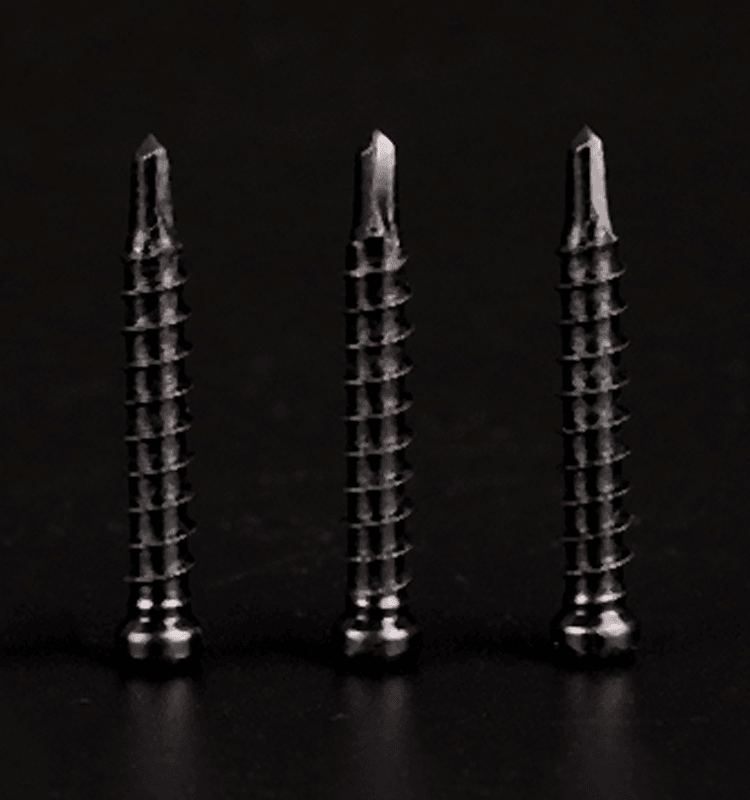
When the drawing moves beyond those standards - head height, drive depth, pilot point geometry, or a mixed certification requirement - the screw becomes a custom item. Custom machine screw development places tolerances, plating, and material certificates into the drawing and the inspection plan.
Standard sizes ship within weeks. Custom cold-headed runs with material certification and finish testing typically take 30-45 days from drawing approval, so rolling forecasts beat expediting.
For assemblies that demand maximum electrical conductivity, the same production line also makes copper screws alongside the brass program at Zhejiang Donghe.
 Copper Screws for High Conductivity ApplicationsCopper screws from the same production line deliver maximum electrical conductivity, suitable for terminals, furniture, and marine fittings. They are non-rusting and non-magnetic, aligning with the low-profile pan head application context.View Product →
Frequently Asked Questions
What is a brass pan head screw used for?
Brass pan head screws are used in electrical terminals, furniture, marine interior fittings, and decorative trim where a non-rusting, non-magnetic, low-profile head is required.
Do brass pan head screws rust?
They do not form orange iron rust, but they can dezincify in chloride-rich water or crack under ammonia exposure. Silicon brass DZR grades are the correct choice for wet external service.
Are brass pan head screws strong enough for structural joints?
Cold headed brass reaches 380-430 MPa tensile, versus 800 MPa for class 8.8 steel. Brass is adequate for light clamping and panel mounting, not for primary structural loads.
Brass versus stainless steel pan head screws: which is better?
A4 stainless wins on strength and chloride resistance; brass wins on electrical conductivity, cost in decorative work, and freedom from galling against copper busbars.